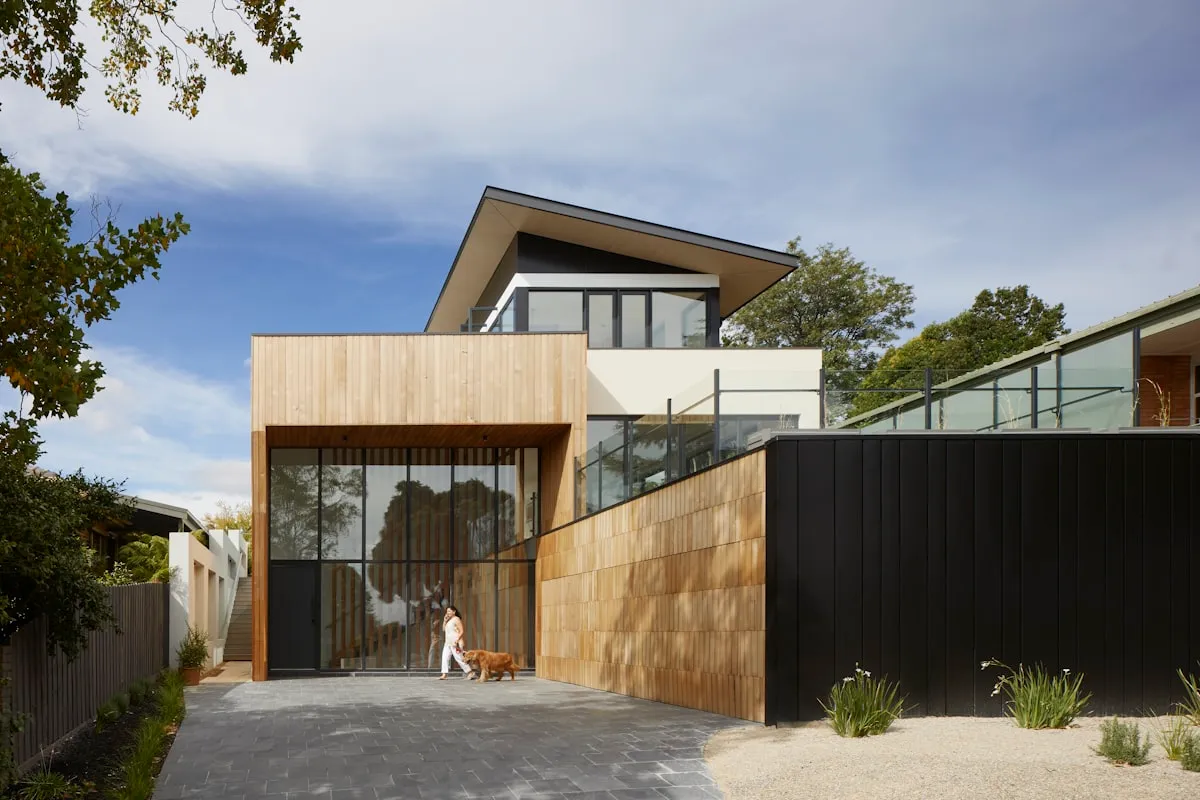
Why Open Floor Plans Are So Popular in Ohio
Open floor plans have become one of the most requested features among homebuyers and homeowners across Ohio. The concept is simple: remove walls that separate the kitchen, dining room, and living room to create one large, flowing space. The result is a home that feels larger, brighter, and better suited for modern living.
Many Cleveland area homes, particularly those built from the 1940s through the 1980s, feature compartmentalized layouts with separate rooms for every function. While this was standard construction practice at the time, today's homeowners want connected spaces that allow conversation, better sightlines, and flexible use of square footage.
An open concept whole-home remodel can transform how your home looks and functions, but the process requires careful planning, especially when load-bearing walls are involved.
Is Open Concept Right for You?
Open floor plans work best for families who entertain frequently, parents who want to watch children from the kitchen, and anyone who values natural light and spacious sight lines. If you prefer quiet, separate spaces or have household members with different noise tolerance levels, a partially open layout with defined zones may be a better fit.
Understanding Load-Bearing Walls
The most critical step in any open floor plan remodel is identifying which walls carry structural loads. Removing a load-bearing wall without proper support can cause serious structural damage, including sagging floors, cracked drywall, and in extreme cases, partial collapse.
Signs a Wall May Be Load-Bearing
- Runs perpendicular to floor joists: If the joists above the wall run across it (not parallel to it), the wall likely carries their weight
- Located near the center of the home: Exterior walls are almost always load-bearing, and interior walls near the center often are too
- Has a beam or wall directly above or below: Structural loads transfer vertically through the home
- Sits on a foundation wall or support beam in the basement: Check below the wall for concrete walls, steel beams, or support columns
- Contains doubled or tripled studs: Extra framing members at openings suggest structural loads
When to Hire a Structural Engineer
For any load-bearing wall removal, a structural engineer should assess the existing structure and design the replacement support system. This typically involves a steel or laminated veneer lumber (LVL) beam sized to carry the loads previously supported by the wall. Engineering fees in Ohio generally run $500 to $1,500, which is a small price for ensuring your home remains structurally sound.
Costs for Open Concept Remodels in the Cleveland Area
Open floor plan remodel costs vary significantly based on the scope of work. Here is what Cleveland area homeowners can expect:
| Project Scope | Cost Range | What's Involved |
|---|---|---|
| Non-Load-Bearing Wall Removal | $1,000 - $5,000 | Demolition, patching floors, walls, and ceiling where wall was removed |
| Load-Bearing Wall Removal | $5,000 - $20,000 | Structural engineering, beam installation, temporary supports, finish work |
| Kitchen-to-Living Room Opening | $15,000 - $35,000 | Wall removal, electrical rerouting, flooring transition, possible plumbing relocation |
| Full Open Concept Conversion | $30,000 - $75,000 | Multiple wall removals, new flooring throughout, kitchen updates, lighting redesign |
| Open Concept with Kitchen Remodel | $50,000 - $120,000+ | Complete kitchen renovation combined with open layout, new island, updated systems |
The Permit Process in Ohio
Most Ohio municipalities require permits for structural modifications. In the Cleveland area, the permitting process typically involves:
- Submit plans showing existing and proposed layout: Include structural engineering drawings for load-bearing wall removals
- Building department review: Usually takes 1 to 3 weeks in Cuyahoga and Summit counties
- Permit issuance: Costs vary by municipality, typically $200 to $800 for residential structural work
- Inspections during construction: Framing inspection after beam installation, final inspection upon completion
Working without permits creates serious problems. Unpermitted structural work can complicate future home sales, void insurance coverage, and create liability issues. Your contractor should always pull required permits.
Structural Solutions for Wall Removal
When a load-bearing wall is removed, the loads must be transferred to a beam. Common beam options include:
Steel I-Beams
Steel beams are the strongest option and allow longer spans with smaller beam depths. A steel beam can span 20 feet or more while maintaining a relatively compact profile. This is ideal when ceiling height is limited and you want to minimize how far the beam drops below the ceiling line. Steel beams cost more for materials but require less depth.
LVL (Laminated Veneer Lumber) Beams
LVL beams are engineered wood products that offer excellent strength at lower cost than steel. They work well for spans up to 16 to 18 feet and integrate easily with wood framing. Multiple LVL layers can be laminated together for greater load capacity.
Flush vs. Exposed Beams
A flush beam sits within the ceiling plane, creating a seamless look with no visible structural elements. This requires cutting into the floor joists above and is not always possible depending on the joist depth and beam size required. An exposed beam drops below the ceiling and can be wrapped in drywall for a clean look, or clad in decorative wood for a design feature. Many homeowners embrace the exposed beam as an architectural element.
Handling Utilities in the Wall
Walls often contain more than just studs. Before removal, your contractor must address:
Electrical
Most interior walls contain at least one electrical circuit with outlets, switches, or junction boxes. These must be rerouted through the ceiling, floor, or adjacent walls. Expect $500 to $2,000 for electrical rerouting depending on complexity.
Plumbing
If the wall contains plumbing supply or drain lines (common in walls adjacent to kitchens and bathrooms), relocation adds significant cost. Plumbing rerouting can range from $1,500 to $5,000 or more depending on the extent of work.
HVAC Ductwork
Heating and cooling ducts sometimes run through interior walls. Rerouting ductwork is generally straightforward but needs to be planned to maintain proper airflow to all rooms. Budget $500 to $2,000 for duct modifications.
Design Tips for Open Concept Spaces
Removing walls is only part of the project. Designing the open space to function well requires thoughtful planning.
Define Zones Without Walls
Use these techniques to create distinct areas within an open layout:
- Kitchen island or peninsula: Creates a natural boundary between kitchen and living areas while adding prep space and seating
- Flooring transitions: Different flooring materials or patterns can subtly define kitchen, dining, and living zones
- Area rugs: An easy and flexible way to anchor furniture groupings
- Ceiling treatment changes: Tray ceilings, beam details, or paint color changes overhead can define spaces
- Lighting zones: Pendants over the island, a chandelier over the dining table, and recessed lighting in the living area create visual separation
- Furniture arrangement: A sofa placed with its back toward the kitchen naturally divides the space
Matching Flooring
One of the biggest challenges in open concept remodels is creating continuous flooring where different rooms previously had different materials. Options include:
- Replace all flooring with a single material: The cleanest look, typically using hardwood or luxury vinyl plank (LVP)
- Transition strips: Acceptable but less seamless than continuous flooring
- Refinish existing hardwood: If hardwood exists under carpet in adjacent rooms, refinishing everything together creates a unified look
Lighting Considerations
Open floor plans need more thoughtful lighting than compartmentalized rooms. Plan for:
- Layered lighting with ambient, task, and accent sources
- Separate switches or dimmers for each zone
- Recessed lighting on a grid pattern for overall illumination
- Statement fixtures to anchor each zone (pendants, chandeliers)
Common Challenges in Cleveland Area Homes
Cleveland area homes present specific challenges for open concept conversions:
Older Homes With Plaster Walls
Many homes in Cleveland's established neighborhoods have plaster and lath walls rather than drywall. Demolition generates more dust and debris, and patching where walls meet at removal points requires skilled finish work. Budget additional time and cost for plaster restoration.
Multiple Floor Levels
Split-level and bi-level homes, common throughout Northeast Ohio suburbs built in the 1960s and 1970s, present unique challenges for open concepts. The half-floor level changes limit how open the floor plan can become, though creative solutions like extended sightlines and widened openings can still dramatically improve flow.
Basement Support Columns
Interior walls often sit above basement support columns and beams. When removing these walls, the new beam above must transfer loads to the existing basement structure. Sometimes additional basement support columns or beam upgrades are needed below.
Adding a Kitchen Island During Your Remodel
A kitchen remodel combined with an open concept conversion frequently includes a new island. Islands serve as both a functional workspace and a visual anchor for the open layout. In the Cleveland area, a kitchen island typically costs $3,000 to $15,000 depending on size, materials, and whether it includes plumbing or electrical.
Popular island features include:
- Seating for 2 to 4 people with an overhang
- Prep sink or secondary dishwasher
- Built-in storage and cabinetry
- Waterfall-edge countertop for a modern look
- Pendant lighting above
Planning Your Open Concept Remodel
If you are considering opening up your Cleveland area home's floor plan, start with a professional assessment. At Best Construction, our team evaluates your home's structure, identifies load-bearing walls, and designs solutions that create the open, flowing space you want while maintaining structural integrity.
With over 30 years of experience in whole-home remodeling throughout Northeast Ohio, we understand the unique characteristics of Cleveland area homes and how to work with them effectively. Call us at (440) 253-9809 for a free consultation on your open concept project.
Frequently Asked Questions
Opening up a floor plan in the Cleveland area typically costs $15,000 to $50,000 depending on whether load-bearing walls are involved. Removing a non-load-bearing wall costs $1,000 to $5,000, while removing a load-bearing wall with proper structural support runs $5,000 to $20,000 or more. Total project costs increase when you factor in flooring, electrical, plumbing, and finish work.
Load-bearing walls typically run perpendicular to floor joists, are located near the center of the home, and extend from the foundation through to the roof structure. Walls directly below a beam or above a basement support column are usually load-bearing. Never remove a wall without professional assessment. A structural engineer or experienced contractor can confirm whether a wall carries structural loads.
Yes, in most Ohio municipalities you need a building permit to remove any load-bearing wall, and often for non-load-bearing walls as well if the project involves electrical or plumbing changes. In Cuyahoga and Summit counties, permits are required for structural modifications. Your contractor should handle the permitting process.
In most cases, opening up a floor plan increases home value. Open-concept layouts are highly desirable among buyers, particularly when the kitchen connects to the living and dining areas. However, removing walls that eliminate a bedroom can reduce value, since bedroom count directly impacts appraisals and buyer interest.
A straightforward wall removal with finish work takes 2 to 4 weeks. A larger open-concept conversion involving kitchen relocation, new flooring throughout, and updated electrical and plumbing can take 6 to 12 weeks. Projects involving structural engineering and permit approvals may add 2 to 4 weeks to the front end for planning.
Ready to Start Your Project?
Best Construction has been building quality homes in Cleveland for over 30 years. Contact us today for a free consultation and estimate.