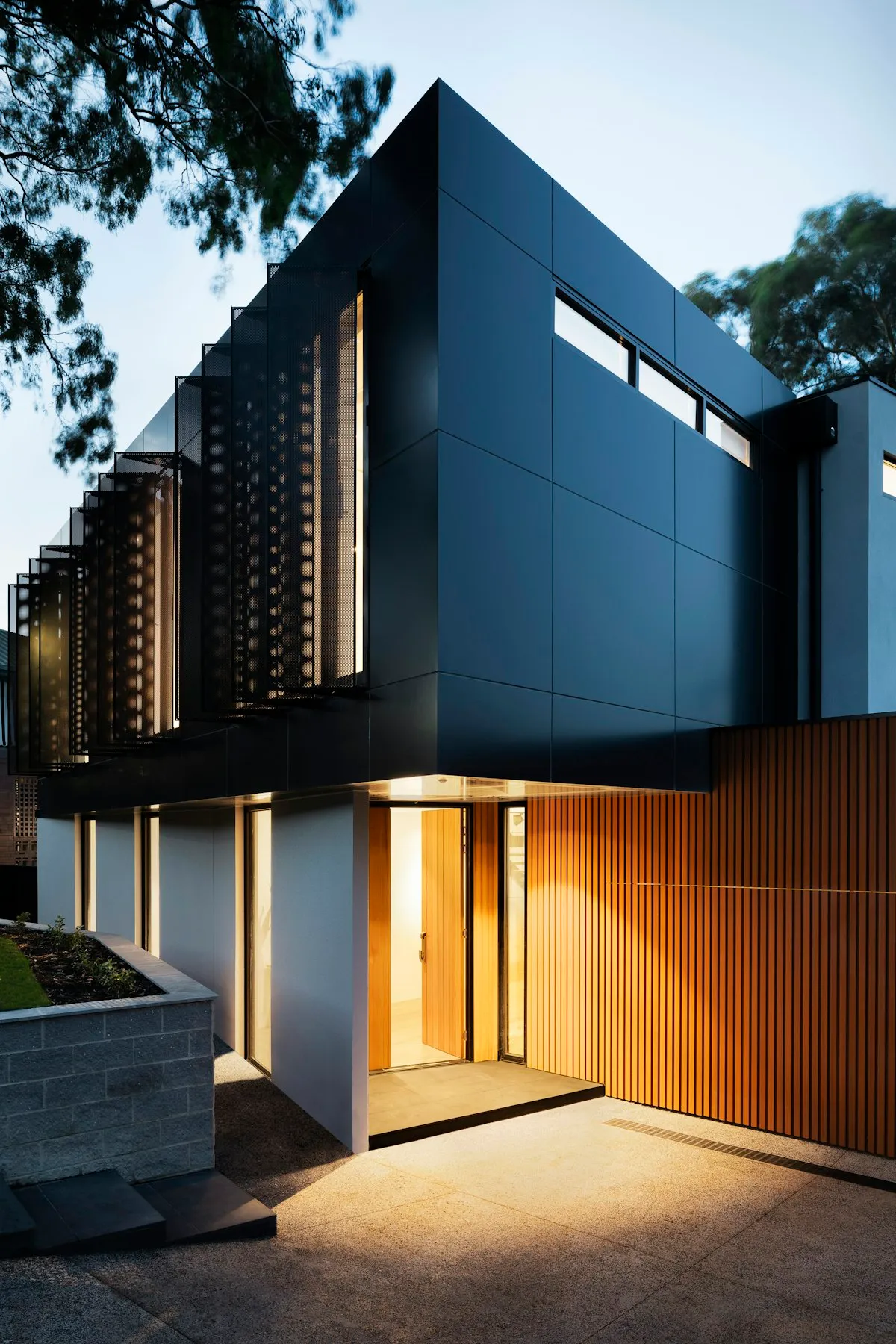
Building Your First Home in Ohio: What to Expect
Building a custom home is one of the most exciting and significant investments you will ever make. It is also one of the most complex. Unlike buying an existing home, building from the ground up involves dozens of decisions, multiple phases, and a timeline measured in months rather than weeks.
This guide walks first-time home builders through every stage of the process, from initial planning through move-in day. Whether you are building in the Cleveland area, Akron, or anywhere in Northeast Ohio, the fundamentals are the same, and being prepared makes the experience smoother and more enjoyable.
The Big Picture Timeline
Planning and design: 2 to 4 months. Permitting: 2 to 6 weeks. Construction: 8 to 14 months. Total from first meeting to move-in: 12 to 18 months for a typical custom home.
Step 1: Define Your Budget
Before looking at lots or floor plans, establish a realistic total budget. Your budget needs to cover far more than just construction costs:
| Budget Category | Typical Range | Notes |
|---|---|---|
| Land / Lot Purchase | $50,000 - $200,000+ | Varies dramatically by location and size in NE Ohio |
| Site Work | $15,000 - $50,000 | Clearing, grading, driveway, utility connections |
| Construction (per sq ft) | $175 - $350+ | Depends on finishes, complexity, and size |
| Permits and Fees | $3,000 - $10,000 | Building permits, impact fees, inspections |
| Landscaping | $10,000 - $40,000 | Grading, seeding, planting, hardscaping |
| Contingency (10-15%) | Varies | Essential buffer for unexpected costs and upgrades |
Getting Pre-Approved
Meet with a lender experienced in construction loans early in the process. Construction financing works differently from traditional mortgages, and knowing your approved amount shapes every decision that follows. Most lenders want to see:
- Credit score of 680 or higher (720+ for the best rates)
- Down payment of 20% to 25% of total project cost
- Stable income and employment history
- Debt-to-income ratio below 43%
- Builder contract and detailed construction specifications
Step 2: Choose Your Builder
Selecting the right builder is the single most important decision in the building process. For first-time builders especially, your contractor will be your guide through unfamiliar territory.
What to Look For
- Experience: Look for builders with 10 or more years of custom home experience in your area
- Licensing and insurance: Verify Ohio contractor licensing and adequate liability and workers' compensation insurance
- References: Talk to previous clients, and if possible, visit homes the builder completed 2 to 3 years ago to assess quality over time
- Communication style: Your builder should be responsive, transparent about costs, and willing to explain the process
- Financial stability: An established builder with strong supplier relationships ensures your project will not stall
- Warranty: Understand what is covered and for how long after construction is complete
Red Flags to Watch For
- Unusually low bids compared to other builders (this often means corners will be cut or change orders will follow)
- Resistance to providing references or showing completed projects
- Requests for large upfront payments before work begins
- No written contract or vague specifications
- Poor online reviews or unresolved complaints with the Better Business Bureau
Step 3: Find and Evaluate Your Lot
The lot you choose affects everything from your home's design to long-term maintenance costs. In Ohio, lot selection requires careful due diligence.
Key Lot Considerations
- Utilities: Confirm availability of water, sewer (or septic suitability), gas, electric, and internet. Extending utility lines to a remote lot can cost $10,000 to $50,000 or more.
- Soil conditions: A soil test (also called a geotechnical report) reveals whether the ground can support your foundation. In parts of Northeast Ohio, clay-heavy soil requires special foundation considerations.
- Topography and drainage: Steep lots cost more to build on and require more extensive grading. Low-lying areas may have drainage or flooding concerns.
- Zoning and setbacks: Verify that your planned home size, height, and placement comply with local zoning regulations. Some communities have minimum square footage requirements or architectural review boards.
- HOA restrictions: If the lot is in a development with a homeowners association, review all covenants and restrictions before purchasing. Some HOAs dictate exterior materials, colors, and even approved builders.
- School district: In the Cleveland area, school district boundaries significantly impact resale value regardless of whether you have children.
Lot Due Diligence Checklist
Before purchasing a lot in Ohio, obtain: soil and percolation test results, a boundary survey, utility availability confirmation, zoning compliance verification, flood zone determination (FEMA map check), and any HOA or deed restrictions. Your builder can help coordinate these assessments.
Step 4: Design Your Home
Home design is where the fun begins, but it is also where first-time builders can get overwhelmed. Start with the basics and refine from there.
Floor Plan Priorities
Think about how you live today and how your needs may change over the next 10 to 15 years:
- Number of bedrooms and bathrooms: Plan for current needs plus at least one extra bedroom for flexibility
- Single story vs. two story: Single-story homes cost more per square foot but offer long-term accessibility advantages
- Kitchen layout: The kitchen is the most used room. Prioritize functional layout, storage, and connection to living areas.
- Garage size: A 3-car garage is standard for new construction in many Cleveland area communities. Consider storage needs beyond vehicles.
- Basement: In Ohio, basements are standard and add valuable square footage. Plan the layout even if you finish it later.
- Outdoor living: Covered patios, decks, and screened porches extend your living space during Ohio's spring, summer, and fall months
Design vs. Budget
Every design decision has a cost implication. Complex rooflines, bump-outs, curved walls, and intricate trim details all add expense. A skilled builder helps you identify where to invest for maximum impact and where simpler choices deliver nearly the same result at lower cost.
Step 5: Understand the Construction Process
Knowing what happens at each stage reduces anxiety and helps you make timely decisions.
Pre-Construction Phase (2 to 4 Months)
- Finalize plans and specifications: Every material, fixture, and finish should be selected and documented
- Obtain permits: Your builder submits plans to the local building department for review and approval
- Order long-lead items: Windows, custom cabinets, and specialty materials may require 6 to 12 weeks for delivery
Construction Phase (8 to 14 Months)
| Stage | Duration | What Happens |
|---|---|---|
| Site Work and Foundation | 2-4 weeks | Excavation, footings, foundation walls, waterproofing, backfill |
| Framing | 3-6 weeks | Floor systems, walls, roof structure, sheathing, windows and exterior doors |
| Rough Mechanicals | 2-4 weeks | HVAC ductwork, plumbing supply and drain, electrical wiring |
| Insulation and Drywall | 2-4 weeks | Insulation installation, drywall hanging, taping, and finishing |
| Interior Finishes | 4-8 weeks | Cabinets, countertops, trim, paint, flooring, fixtures, appliances |
| Exterior Finishes | 2-4 weeks | Siding, roofing, gutters, driveway, walkways, grading |
| Final Details | 1-2 weeks | Punch list items, final inspections, cleaning, landscaping |
Weather and Seasonal Considerations
Ohio's climate affects construction timelines. Many builders prefer to break ground in spring (March through May) so the home is enclosed before winter weather arrives. Winter construction is possible but may involve delays due to frozen ground, snow, and shorter daylight hours. Concrete work is particularly weather-sensitive and typically pauses when temperatures drop below freezing.
Step 6: Navigate the Financial Side
Construction Loan Basics
A construction loan funds your project in stages called draws. Typical draw schedules include 5 to 7 disbursements tied to construction milestones (foundation complete, framing complete, drywall complete, and so on). The lender inspects progress before each draw.
During construction, you pay interest only on the amount disbursed. Once the home is complete and receives a certificate of occupancy, the construction loan converts to a permanent mortgage (or you close on a separate permanent loan).
Learn more about construction mortgages in Ohio and financing options available for your build.
Managing Change Orders
Change orders are modifications to the original plans or specifications during construction. They are common, but they affect both budget and timeline. Tips for managing changes:
- Make as many selections as possible before construction begins
- Get every change in writing with a clear cost and timeline impact
- Maintain a contingency fund of 10% to 15% specifically for changes and unexpected costs
- Understand that changes made later in construction cost more than changes made early
Step 7: Common Mistakes to Avoid
Learning from others' experiences can save you significant money and stress:
- Not budgeting for site work: First-time builders often forget that clearing, grading, driveway, and utility connections can cost $15,000 to $50,000 before any construction begins.
- Skipping the soil test: A $500 to $1,500 soil test can prevent $20,000 or more in foundation problems down the road.
- Choosing the cheapest bid: The lowest price often means lower quality materials, less experienced subcontractors, or missing scope items that appear as costly extras later.
- Underestimating the time commitment: Building a home requires hundreds of decisions. Set aside time each week for selections, site visits, and meetings with your builder.
- Ignoring resale value: Even if you plan to stay forever, life changes. Avoid overly unique designs or features that limit your buyer pool.
- Forgetting about landscaping: Budget $10,000 to $40,000 for landscaping, which is often overlooked until the end when funds are tight.
- Not getting enough storage: Closets, pantry space, and garage storage are features you will appreciate daily. Plan generously.
Building in the Cleveland Area: Local Considerations
Northeast Ohio has specific factors that affect your build:
- Frost depth: Foundations must extend at least 42 inches below grade in Northeast Ohio to reach below the frost line
- Radon: Ohio has elevated radon levels in many areas. Include a radon mitigation system during construction (much cheaper than retrofitting)
- Lake-effect weather: Communities closer to Lake Erie experience more snow and wind, which affects exterior material choices and roof design
- Local building departments: Each municipality in Cuyahoga and Summit counties has its own building department with varying requirements and inspection schedules
Getting Started With Your First Build
At Best Construction, we specialize in guiding first-time builders through every step of the new construction process. With over 30 years of experience building custom homes throughout the Cleveland area, we understand the questions you have and the decisions you face.
Whether you already own a lot or need help finding the perfect build site, our team provides the hands-on guidance that makes the building process clear and manageable. Call us at (440) 253-9809 to schedule a free consultation and take the first step toward your new home.
Frequently Asked Questions
A custom home in Ohio typically takes 8 to 14 months from groundbreaking to move-in, depending on size, complexity, and weather. Add 2 to 4 months for the pre-construction phase including design, permitting, and lot preparation. Total timeline from initial planning to move-in is usually 12 to 18 months.
New construction costs in the Cleveland area range from $175 to $350 or more per square foot depending on finishes and complexity. A 2,500 square foot custom home typically costs $450,000 to $875,000 including land, site work, and construction. Costs vary based on lot conditions, design complexity, and material selections.
A construction loan provides funds in stages (called draws) as your home is built. You typically pay interest only during construction, then convert to a permanent mortgage upon completion. Most lenders require 20% to 25% down, and loan approval is based on both your finances and the projected home value. Some lenders offer construction-to-permanent loans that combine both into one closing.
Not necessarily. Some construction loans include land purchase as part of the financing. If you already own your lot, its equity can count toward your down payment. If you are still searching for land, your builder can often help identify suitable lots and coordinate the purchase timing with your construction loan.
The most common mistakes include underestimating the budget (not accounting for site work, landscaping, and upgrades), choosing a lot without proper due diligence on utilities and soil conditions, making too many changes during construction, not building in a contingency fund of 10% to 15%, and selecting a builder based solely on the lowest bid rather than experience and reputation.
While Ohio allows homeowners to act as their own general contractor, it is rarely advisable for first-time builders. Managing subcontractors, scheduling, inspections, material ordering, and building codes requires extensive knowledge. Mistakes and delays often cost more than a general contractor's fee. Most homeowners save money in the long run by hiring an experienced builder.
Ready to Start Your Project?
Best Construction has been building quality homes in Cleveland for over 30 years. Contact us today for a free consultation and estimate.