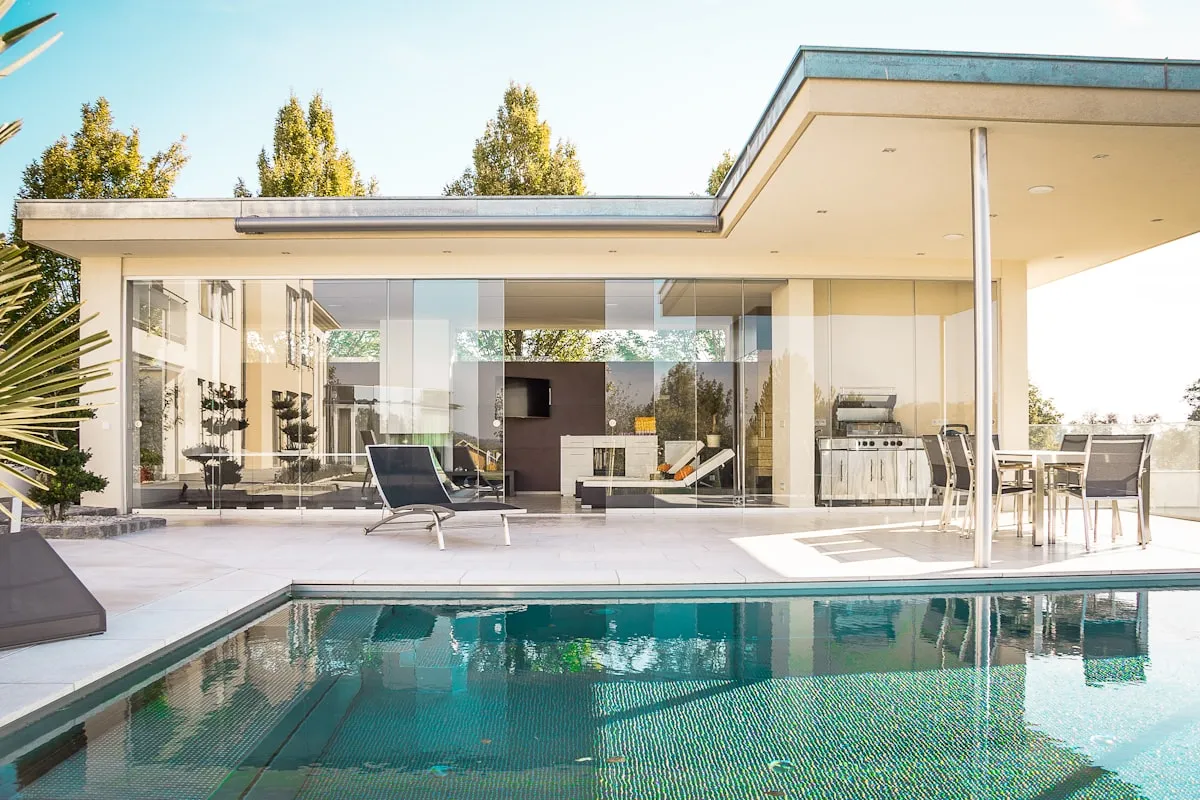
Deck vs Patio: Making the Right Choice for Your Ohio Home
When it comes to adding outdoor living space to your Cleveland area home, the deck vs patio decision is one of the most common questions homeowners face. Both options have clear advantages, but Northeast Ohio's climate, your property's terrain, and your lifestyle all play important roles in determining which is the better investment.
At Best Construction, we build both decks and porches as well as outdoor living spaces throughout the Cleveland area. This guide will help you understand the key differences so you can make an informed decision.
Understanding the Basics
What Is a Deck?
A deck is an elevated platform structure, typically made of wood or composite materials, that is attached to or adjacent to your home. Decks are supported by posts and footings and usually feature railings. They can be built at any height, making them ideal for homes with uneven terrain, walkout basements, or elevated first floors.
What Is a Patio?
A patio is a ground-level outdoor surface made from concrete, pavers, brick, natural stone, or gravel. Patios sit directly on a prepared base of compacted gravel and sand. Because they are at ground level, they do not require railings and are typically more accessible.
Cost Comparison for Cleveland Area Homeowners
Cost is often the first factor homeowners consider. Here is how deck and patio costs compare for a typical 300 square foot outdoor space in the Cleveland area:
| Material | Cost per Sq Ft (Installed) | 300 Sq Ft Total |
|---|---|---|
| Concrete patio (basic) | $8 - $15 | $2,400 - $4,500 |
| Paver patio | $15 - $30 | $4,500 - $9,000 |
| Natural stone patio | $20 - $50 | $6,000 - $15,000 |
| Pressure-treated wood deck | $25 - $35 | $7,500 - $10,500 |
| Cedar deck | $30 - $45 | $9,000 - $13,500 |
| Composite deck | $40 - $60 | $12,000 - $18,000 |
| PVC/cellular deck | $45 - $70 | $13,500 - $21,000 |
Total Cost of Ownership Matters
A pressure-treated wood deck may cost less upfront than composite, but factor in annual staining ($300-$600), repairs, and a shorter lifespan. Over 20 years, composite often costs less overall despite the higher initial price.
Ohio Weather: The Most Important Factor
Northeast Ohio's climate is the single biggest factor that should influence your deck vs patio decision. Here is how each option handles our local weather challenges:
Freeze-Thaw Cycles
Cleveland experiences roughly 100 freeze-thaw cycles per year, more than almost any other major U.S. city. This constant expansion and contraction is tough on outdoor surfaces.
- Patios: Concrete can crack from freeze-thaw cycles. Pavers handle this better because the joints allow movement. Proper drainage and a well-compacted gravel base are essential.
- Decks: Wood and composite expand and contract with temperature changes, but proper gapping during installation accommodates this movement. Footings must extend below Ohio's 32-inch frost line to prevent heaving.
Snow and Ice
Cleveland averages about 55 inches of snow per year, with some winters bringing significantly more.
- Patios: Easy to shovel and salt. Ground-level access means less risk of slipping on stairs. However, standing water and ice can be an issue if drainage is poor.
- Decks: Snow removal requires more care to avoid damaging the surface. Use plastic shovels on composite and wood. Elevated decks mean navigating icy stairs, which is a safety concern. Consider adding a covered area or non-slip treads.
Rain and Moisture
Cleveland receives about 39 inches of rain annually, and humidity levels can be high in summer.
- Patios: Proper grading and drainage channels are critical. Water should always flow away from the house foundation.
- Decks: Elevated construction allows air circulation underneath, which helps with drying. However, trapped moisture between boards and at connection points can cause rot in wood decks. Composite and PVC are highly moisture-resistant.
Maintenance Comparison
Long-term maintenance requirements differ significantly between decks and patios:
| Maintenance Task | Deck (Wood) | Deck (Composite) | Patio |
|---|---|---|---|
| Annual cleaning | Required | Required | Required |
| Staining/sealing | Every 1-3 years | Not needed | Every 2-5 years (concrete) |
| Board replacement | As needed | Rarely needed | N/A |
| Joint re-sanding | N/A | N/A | Every 2-3 years (pavers) |
| Structural inspection | Annually | Annually | Rarely needed |
| Estimated annual cost | $300 - $600 | $50 - $100 | $50 - $200 |
Resale Value in the Cleveland Market
Both decks and patios add value to Cleveland area homes, but the return varies:
- Wood deck: Typically recoups 65-75% of costs at resale
- Composite deck: Typically recoups 60-70% of costs at resale
- Patio (pavers): Typically recoups 50-70% of costs at resale
- Concrete patio: Typically recoups 40-60% of costs at resale
In the Cleveland market, outdoor living spaces are increasingly desirable. Buyers appreciate usable outdoor areas, and a well-designed deck or patio can make your home stand out during the selling process. Homes with quality outdoor spaces tend to sell faster, even in our shorter outdoor season.
Best Materials for Northeast Ohio
Best Deck Materials for Ohio
Given our weather challenges, here are the top deck material choices for Cleveland area homeowners:
- Composite decking (Trex, TimberTech): The best all-around choice for Ohio. Resists moisture, does not require staining, and handles freeze-thaw cycles well. 25-year warranties are standard.
- PVC/cellular decking (Azek): Premium option with the best moisture resistance. Completely synthetic, so it will not rot, crack, or splinter. More expensive but virtually maintenance-free.
- Pressure-treated pine: The budget-friendly option. Readily available and affordable, but requires annual maintenance and has a shorter lifespan in Ohio's climate (15-20 years with good care).
- Cedar: Natural beauty and decent rot resistance, but requires regular sealing and staining. Not as durable as composite in Ohio conditions.
Best Patio Materials for Ohio
- Concrete pavers: Excellent for Ohio. Individual units flex with freeze-thaw movement rather than cracking. Easy to replace individual pavers if damaged. Wide variety of colors and patterns.
- Natural stone (bluestone, flagstone): Beautiful and durable, but more expensive. Performs well in Ohio weather when properly installed on a compacted base.
- Stamped concrete: Attractive and relatively affordable, but can crack in Ohio's freeze-thaw cycles. Sealing every 2-3 years helps extend life.
- Poured concrete: The most affordable option. Durable but prone to cracking over time. Control joints help manage cracking. Can be stained or textured for a better look.
Property Considerations
Your specific property may strongly favor one option over the other:
Choose a Deck When:
- Your yard slopes away from the house (decks bridge uneven terrain easily)
- You have a walkout basement and want outdoor space at the main level
- Your home's first floor is elevated significantly above grade
- You want to preserve yard space underneath for storage or a lower patio
- You prefer the look of wood or composite and want a "room-like" outdoor feel
- You want to integrate with an existing porch or covered area
Choose a Patio When:
- Your yard is relatively flat at the back of the house
- You want a lower-cost outdoor living space
- You prefer minimal long-term maintenance
- You want flexibility to expand or modify the space later
- You plan to include features like a fire pit or outdoor kitchen (easier on a solid ground surface)
- Accessibility is a priority (no steps required)
Permits and Regulations in Cleveland
Permit requirements differ significantly for decks and patios in the Cleveland area:
Deck Permits
Nearly all Cleveland area municipalities require building permits for decks. Key code requirements include:
- Footings must extend below the 32-inch frost line
- Railings required when the deck surface is 30 inches or more above grade
- Railing height must be at least 36 inches for residential decks
- Baluster spacing cannot exceed 4 inches
- Proper ledger board attachment to the house (a common failure point)
- Load capacity requirements for joists, beams, and posts
Patio Permits
Ground-level patios typically do not require building permits, but check your local zoning requirements. Some municipalities require:
- A zoning permit if the patio exceeds a certain size
- Setback compliance (distance from property lines)
- Drainage plans for larger installations
- HOA approval if you live in a community with restrictions
The Best of Both Worlds
Many Cleveland area homeowners are choosing to combine both a deck and a patio in their outdoor living design. A common approach is to build a deck off the back of the house for dining and lounging, with a paver patio below or adjacent for a fire pit area or garden seating. This multi-level approach creates distinct outdoor zones and maximizes your usable space.
Get Started on Your Outdoor Project
Whether you choose a deck, a patio, or a combination of both, the key to a successful outdoor project in Ohio is quality materials and professional installation that accounts for our unique climate challenges. At Best Construction, we have been building decks, porches, and outdoor living spaces throughout the Cleveland area for over 30 years.
Call us at (440) 253-9809 or request a free consultation to discuss your outdoor living project.
Frequently Asked Questions
A basic concrete patio is generally less expensive than a wood or composite deck. A simple concrete patio costs $8 to $15 per square foot, while a pressure-treated wood deck starts around $25 to $35 per square foot. However, premium patio materials like natural stone or pavers can match or exceed deck costs at $20 to $50 per square foot.
A properly installed concrete or paver patio can last 25 to 50 years with minimal maintenance. Wood decks typically last 15 to 25 years depending on material and maintenance, while composite decks can last 25 to 30 years. Ohio's freeze-thaw cycles are harder on both, but patios generally require less ongoing maintenance.
Decks almost always require a building permit in Cleveland area municipalities because they are elevated structures with safety requirements for railings, footings, and load capacity. Patios at ground level typically do not require a building permit, though some cities may require a zoning permit if the patio exceeds a certain size or is close to property lines.
Both add value, but decks typically provide a slightly better return on investment. According to national remodeling data, a wood deck addition recoups about 65-75% of costs at resale, while a patio recoups about 50-70% depending on materials. In the Cleveland market, well-maintained outdoor living spaces are increasingly valued by buyers.
Composite decking (brands like Trex, TimberTech, or Azek) performs best in Northeast Ohio. It resists moisture damage from rain and snow, does not splinter or warp from freeze-thaw cycles, and requires minimal maintenance. While more expensive upfront than pressure-treated wood, composite decking lasts significantly longer with less upkeep.
Ready to Start Your Project?
Best Construction has been building quality homes in Cleveland for over 30 years. Contact us today for a free consultation and estimate.