Why Aging in Place Matters for Ohio Homeowners
According to AARP, nearly 90% of adults over 65 want to remain in their current home as they age. For Ohio homeowners, aging in place is not just a preference, it is a practical decision that can save tens of thousands of dollars compared to assisted living facilities, which average $4,500 to $6,000 per month in the Cleveland area.
The key to successful aging in place is planning ahead. Making strategic home modifications for accessibility while you are still active gives you time to budget, choose the right contractor, and avoid the rush of emergency renovations after a fall or health event.
Quick Facts: Aging in Place in Ohio
Ohio ranks 8th nationally in population aged 65+. Over 2 million Ohioans are seniors, and that number is projected to grow 20% by 2030. Cleveland area homes built before 1970 often need significant modifications for safe aging in place.
Room-by-Room Aging in Place Checklist
Use this comprehensive checklist to evaluate your home and prioritize modifications. Not every home needs every change. Focus on the areas where you spend the most time and where fall risks are highest.
Bathroom Modifications
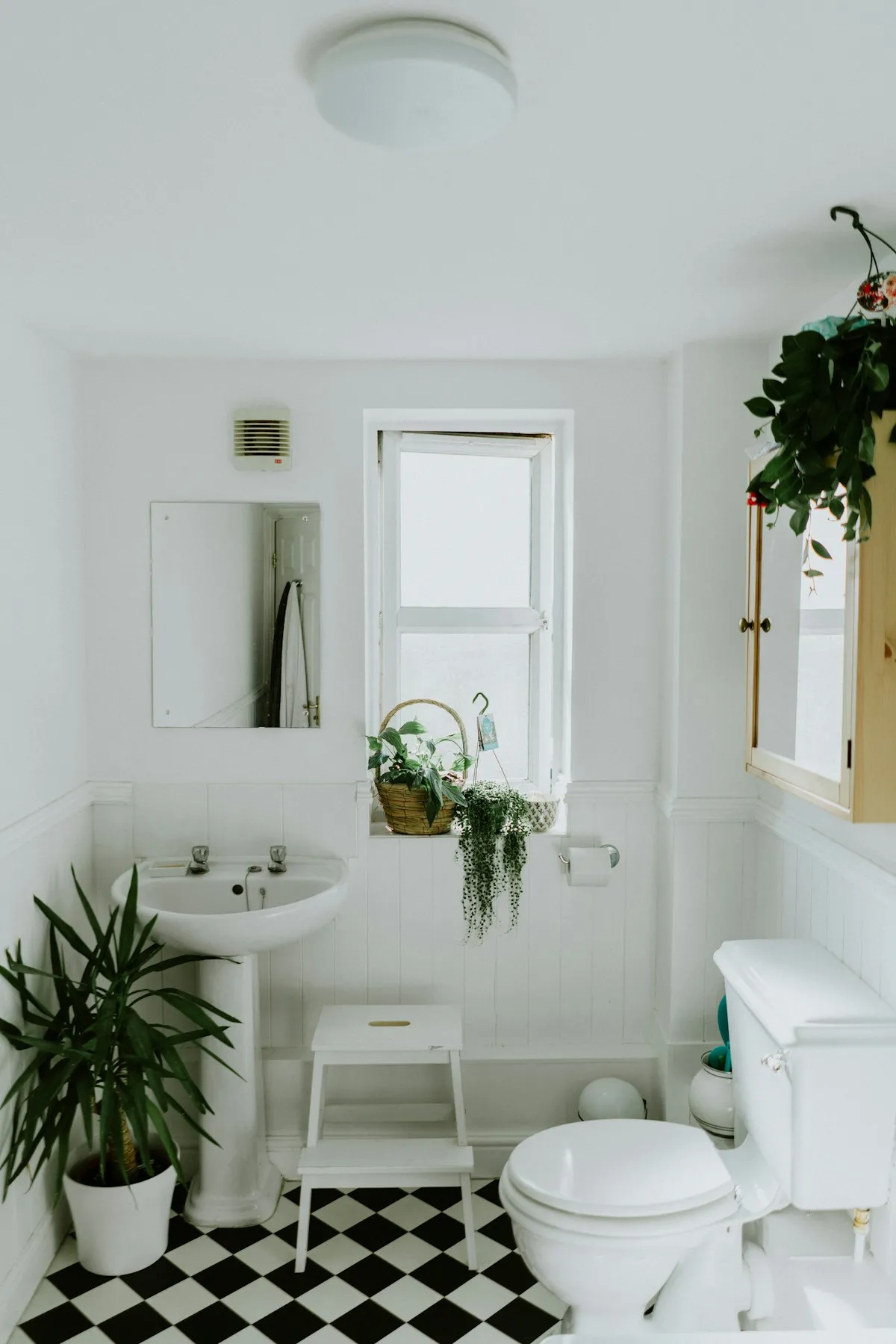
The bathroom is the most dangerous room in the house for seniors. Wet surfaces, tight spaces, and the need to step over tub walls create serious fall risks. A well-planned bathroom remodel can dramatically improve safety.
- Walk-in shower: Replace tub/shower combos with zero-threshold or low-threshold walk-in showers ($3,000 to $8,000)
- Grab bars: Install at toilet, shower, and tub areas. Use structural blocking behind walls for maximum support ($100 to $300 per bar installed)
- Raised toilet: Comfort-height toilets (17 to 19 inches) or toilet risers reduce strain ($200 to $800)
- Non-slip flooring: Textured tile or slip-resistant vinyl ($5 to $15 per square foot)
- Handheld showerhead: Adjustable height with a slide bar ($150 to $400 installed)
- Shower bench or seat: Built-in or fold-down options ($200 to $1,500)
- Lever-style faucets: Easier to operate than knobs ($150 to $500 per fixture)
- Improved lighting: Bright, even lighting with night lights near the floor ($200 to $1,000)
Kitchen Modifications
The kitchen requires modifications that balance accessibility with functionality. Many of these changes also improve daily comfort for homeowners of any age.
- Varied counter heights: Include a lower section (30 to 34 inches) for seated work ($1,500 to $4,000)
- Pull-out shelves and drawers: Replace deep cabinets with pull-out organizers ($100 to $400 per cabinet)
- Lever-style handles: D-shaped pulls on cabinets and lever faucets ($5 to $20 per handle)
- Task lighting: Under-cabinet LED lights to reduce shadows ($200 to $800)
- Wall oven placement: Install at counter height instead of below-counter ($2,000 to $5,000 for relocation)
- Side-by-side refrigerator: Easier access than top-freezer models ($800 to $2,500)
- Anti-fatigue mats: Cushioned mats at sink and prep areas ($30 to $100)
Entryways and Exterior
Getting in and out of the home safely is essential. Ohio winters make this even more critical, as ice and snow create additional hazards.
- No-step entry: At least one entrance with zero steps or a ramp ($1,000 to $8,000 for a ramp)
- Wider doorways: 36 inches minimum for wheelchair access ($300 to $1,500 per door)
- Lever door handles: Replace round knobs throughout ($20 to $50 per handle)
- Motion-sensor lighting: Exterior lights that activate automatically ($100 to $500)
- Covered entry: Protection from rain and snow at the main entrance ($2,000 to $10,000)
- Non-slip walkways: Textured concrete or pavers on paths ($5 to $15 per square foot)
- Handrails: On all exterior steps and ramps ($200 to $800)
Bedroom Modifications
- Main-floor bedroom: If your only bedrooms are upstairs, consider a first-floor conversion ($10,000 to $30,000)
- Adjustable bed: Easier to get in and out of ($1,000 to $3,000)
- Rocker light switches: Large paddle switches are easier to operate ($5 to $15 per switch)
- Closet accessibility: Lower rods, pull-down racks, and good lighting ($500 to $2,000)
- Clear pathways: 36-inch minimum clearance around furniture (no cost, just rearranging)
Stairways and Hallways
- Stair lift: For homes where stairs cannot be avoided ($3,000 to $8,000 installed)
- Continuous handrails: Both sides of all stairways ($200 to $600 per side)
- Stair treads: Non-slip strips or carpet on all steps ($50 to $300)
- Hallway lighting: Motion-activated or always-on night lighting ($100 to $500)
- Contrast strips: Visual markers on stair edges for depth perception ($20 to $50)
General Home Systems
- Smart home technology: Voice-controlled lights, locks, and thermostat ($500 to $3,000)
- Medical alert system: Wearable or home-based emergency buttons ($20 to $50 per month)
- Thermostat upgrades: Large-display or smart thermostat ($100 to $300)
- Electrical outlets: Raise outlets to 18 to 24 inches above floor ($100 to $200 per outlet)
- Carbon monoxide and smoke detectors: Interconnected units on every level ($30 to $50 per unit)
Aging in Place Modification Costs in the Cleveland Area
| Modification Level | Typical Cost | What It Includes |
|---|---|---|
| Basic Safety | $1,000 - $5,000 | Grab bars, lever handles, non-slip treads, improved lighting |
| Moderate Updates | $5,000 - $25,000 | Walk-in shower, wider doorways, ramp, stair lift |
| Major Renovation | $25,000 - $75,000 | Full bathroom remodel, first-floor bedroom, kitchen accessibility |
| Comprehensive | $75,000 - $150,000+ | Whole-home accessibility overhaul, addition for main-floor living |
Ohio Programs and Resources for Seniors
Ohio offers several programs that can help offset the cost of aging in place modifications. Eligibility varies, so contact each program directly for current requirements.
State and Local Programs
- Ohio PASSPORT Program: Medicaid waiver that covers home modifications for qualifying seniors. Administered through Area Agencies on Aging.
- MyCare Ohio: Integrated care program for dual-eligible individuals (Medicare and Medicaid) that may include home modification benefits.
- Ohio Housing Finance Agency (OHFA): Offers grants and loans for home accessibility modifications for low-income seniors.
- Western Reserve Area Agency on Aging: Serves Cuyahoga, Geauga, Lake, Lorain, and Medina counties with home modification assistance and referrals.
- Cuyahoga County Senior Services: Property tax assistance, transportation, and referrals for home modification programs.
Federal Programs
- VA Specially Adapted Housing (SAH) Grant: Up to $109,986 for eligible veterans for home modifications.
- VA Home Improvements and Structural Alterations (HISA) Grant: Up to $6,800 for veterans with service-connected disabilities.
- USDA Rural Development: Home repair loans and grants for rural Ohio homeowners aged 62+.
- HUD Section 202: Supportive housing programs that may include modification assistance.
Tax Benefits
Some aging in place modifications qualify as medical expenses and may be tax-deductible if they exceed 7.5% of your adjusted gross income. Consult with a tax professional about deductions for items like ramps, grab bars, and widened doorways that are prescribed by a physician.
ADA Considerations for Ohio Homes
While the Americans with Disabilities Act (ADA) primarily applies to public and commercial buildings, its guidelines provide an excellent framework for residential modifications. Key ADA standards to follow include:
- Doorway width: 36 inches minimum clear opening
- Hallway width: 36 inches minimum, 48 inches preferred for wheelchair turning
- Ramp slope: 1:12 ratio maximum (1 inch rise per 12 inches of run)
- Grab bar placement: 33 to 36 inches above floor at toilet, horizontal and vertical in shower
- Turning radius: 60 inches minimum for wheelchair in bathrooms and kitchens
- Threshold height: 1/2 inch maximum at doorways
Cleveland Area Considerations
Northeast Ohio homes present unique challenges for aging in place modifications:
- Older housing stock: Many Cleveland area homes were built in the 1920s through 1960s with narrow doorways, steep stairs, and small bathrooms. Structural modifications may be needed to meet accessibility standards.
- Winter weather: Ice and snow make exterior accessibility critical. Heated walkways, covered entries, and proper drainage around ramps are worth the investment.
- Basement laundry: Many older Cleveland homes have laundry in the basement. Relocating to a main floor is a high-priority modification ($2,000 to $5,000 for plumbing and setup).
- Multi-story homes: The colonial and two-story designs common in suburbs like Solon, Hudson, and Brecksville often require a stair lift or first-floor bedroom conversion.
Planning Your Aging in Place Project
A successful aging in place renovation starts with a professional home assessment. At Best Construction, we evaluate your home room by room to identify safety risks and prioritize modifications based on your needs and budget. Our aging in place services cover everything from simple grab bar installations to full accessibility renovations.
- Schedule a home assessment: Walk through every room with an accessibility-focused contractor
- Prioritize safety items: Bathrooms and entryways typically come first
- Check program eligibility: Apply for any state or federal assistance before starting work
- Plan in phases: Spread modifications over months or years to manage costs
- Choose quality materials: Modifications need to last decades, so invest in durable fixtures and professional installation
Ready to make your home safer and more accessible? Call Best Construction at (440) 253-9809 for a free aging in place consultation. We have been helping Cleveland area homeowners modify their homes for over 30 years.
Frequently Asked Questions
The most critical modifications include grab bars in bathrooms, a no-step entry to the home, wider doorways for wheelchair access, lever-style door handles, improved lighting, and a main-floor bedroom and bathroom. These changes address the most common safety risks for seniors.
Costs vary widely depending on scope. Simple modifications like grab bars and lever handles may cost $1,000 to $5,000 total. A full bathroom remodel for accessibility typically runs $15,000 to $40,000 in the Cleveland area. Comprehensive whole-home modifications can range from $20,000 to $100,000 or more.
Standard Medicare does not cover home modifications. However, Ohio Medicaid offers the PASSPORT waiver program and MyCare Ohio, which may cover certain home modifications for qualifying individuals. The Ohio Department of Aging also administers programs that can help offset costs.
Aging in place refers to modifications that allow seniors to remain safely in their homes as they age. Universal design is a broader concept where homes are built or remodeled to be accessible and functional for people of all ages and abilities from the start, without looking institutional or clinical.
The best time to start is before modifications become urgent. Many experts recommend beginning in your 50s or early 60s, especially if you plan to stay in your home long term. Planning ahead allows you to spread costs over time and make changes during other remodeling projects.
Ready to Start Your Project?
Best Construction has been building quality homes in Cleveland for over 30 years. Contact us today for a free consultation and estimate.